
The Digital Asset That Became Too Big to Ignore
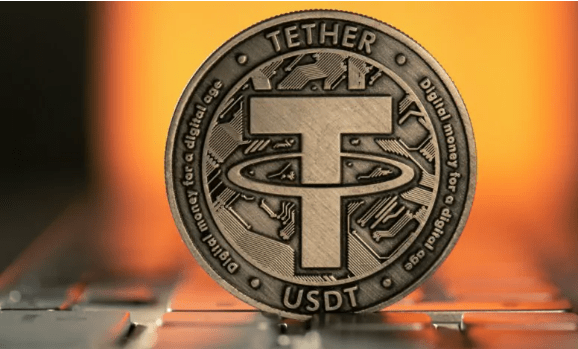
A digital token, created by a company few could name, now moves more value daily than many national payment systems. Tether’s USDT—a “stablecoin” pegged to the US dollar—has grown from a crypto utility into a systemic financial force. With a market cap surpassing $110 billion, it is the lifeblood of the global digital asset market, yet it operates under a cloud of regulatory suspicion. At FTN.money, we trace its improbable journey from niche solution to indispensable infrastructure and examine the critical question: can it survive the era of regulation it helped to usher in?
Phase 1: The Decentralised Dream (2009-2016)
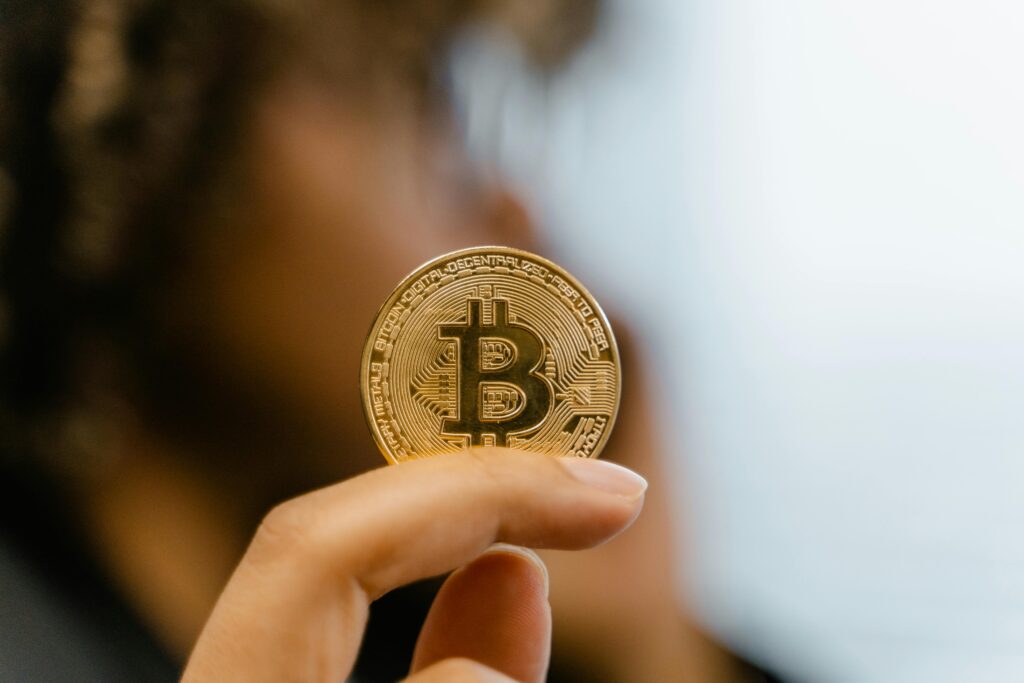
Key Assets: Bitcoin (BTC), Litecoin, Monero
Regulatory View: “Illicit Novelty.” Authorities largely dismissed or condemned these as tools for dark web markets (e.g., Silk Road). The dominant stance was reactive prohibition, with no coherent framework.
Consumer View: “Digital Gold & Digital Cash.” Early adopters valued censorship-resistant transactions and Bitcoin’s fixed supply as a hedge against traditional finance. Privacy was paramount.
Legacy: Established the decentralisation vs. control battle line that still defines regulatory debates.
Phase 2: The Utility Explosion & The Vacuum USDT Filled (2017-2021)
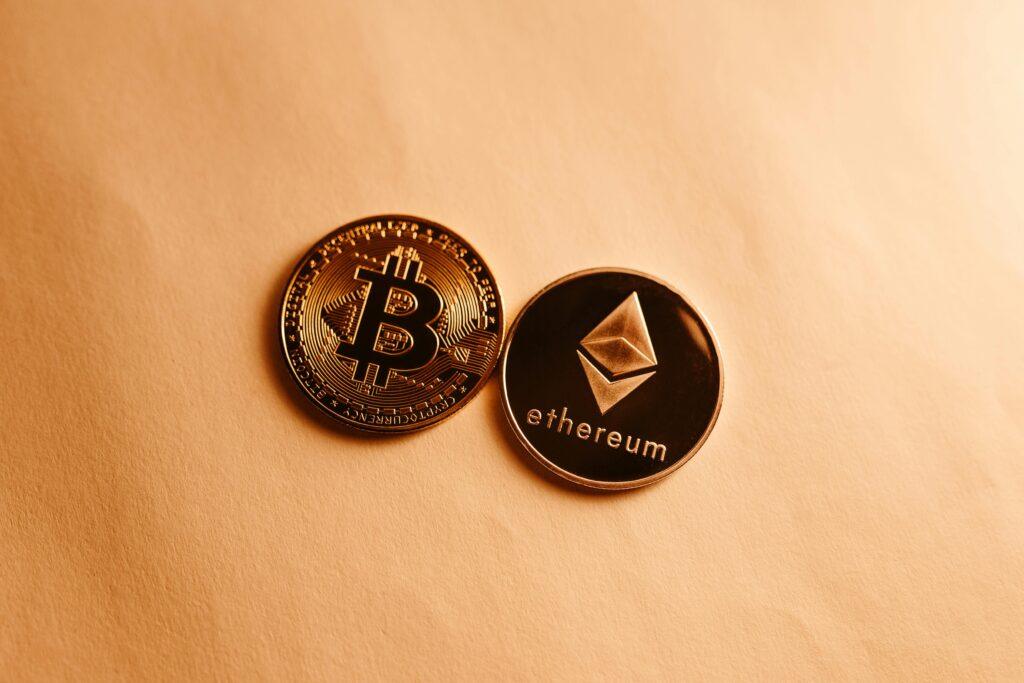
Key Assets: Ethereum (ETH), ICO Tokens, Early Stablecoins
Regulatory View: “Securities Crackdown.” The SEC’s 2017 DAO Report signalled that most tokens were unregistered securities. Stablecoins emerged as a new concern, seen as unlicensed money transmission.
Consumer View: “Programmable Finance.” Ethereum’s smart contracts enabled DeFi and NFTs. Users sought yield and utility, but crippling volatility exposed a critical need: a stable medium of exchange within crypto.
How USDT Seized the Moment:
USDT didn’t win on ideology; it won on urgent, pragmatic necessity.
- The Banking Exile: As traditional banks severed ties with crypto exchanges post-2017, USDT became the essential dollar proxy for global liquidity.
- The Universal Trading Pair: It became the primary fiat on-ramp/off-ramp, the go-to base currency on every exchange lacking banking partners.
- The DeFi Engine: It provided the stable collateral needed to power lending, borrowing, and the entire yield farming ecosystem.
Its rise was a direct result of the ecosystem’s structural need for a digital dollar that legacy finance refused to provide.
Phase 3: The Compliance Reckoning (2022-Present)
Key Assets: Regulated Stablecoins, Security Tokens, CBDC Pilots
Regulatory View: “Same Risk, Same Rule.” The collapse of TerraUSD (an algorithmic stablecoin) validated regulators’ systemic fears. The response is explicit, granular rulemaking:
- EU’s MiCA: Treats significant stablecoins as electronic money, requiring full backing, licensing, and redemption rights.
- UK’s FCA: Registers crypto firms under anti-money laundering rules, demanding banking-level compliance.
- US Approach: Pursues enforcement while legislation (e.g., Clarity for Payment Stablecoins Act) seeks to mandate 100% reserves and formal oversight.
Consumer View: “Proof Over Promise.” Post-2022 collapses, users prioritise verifiable reserves, institutional backing, and regulatory licences. Trust is no longer assumed from whitepapers.
The Great Stablecoin Schism: Fiat vs. Algorithmic
- Fiat-Collateralised (USDT, USDC): Backed by real-world assets. Regulators view them as payment system risks, focusing on reserve custody and audit quality.
- Algorithmic (e.g., failed UST): Backed by code and volatile crypto. Regulators now classify these as high-risk, unregistered securities. This model is largely discredited for mainstream stability.
The Modern Test: What Is the Most Reliable “Non-Fiat” Currency Today?
For reliability defined as stability, regulatory acceptance, and institutional trust, the leading candidate is not a traditional cryptocurrency.
The Verdict: High-Quality, Transparent, Regulated Stablecoins.
Specifically, USD Coin (USDC) currently represents the benchmark for verifiable, compliant digital dollar reliability.
The FTN.money Reliability Index:
| Asset | Stability Mechanism | Regulatory Standing | Transparency | Institutional Trust | Primary Risk |
| USDC | 100% Cash & Short-Term U.S. Treasuries | Leader. Issuer (Circle) holds key state licences (NYDFS), built for MiCA compliance. | Monthly attestations by Grant Thornton; prepares for full audit. | Very High (Visa, BlackRock, traditional finance pipelines). | Centralised issuer regulatory risk. |
| USDT | Mixed Reserves (Cash, Commercial Paper, etc.) | Under Intense Scrutiny. The primary target of MiCA is due to history and past enforcement actions. | Quarterly attestations; legacy of opacity affects perception. | Embedded in the crypto ecosystem, limited traditional finance uptake. | Reserve quality & potential regulatory restrictions in key markets. |
| Ethereum (ETH) | Market Demand / Utility | Uncertain. In regulatory limbo between commodity (CFTC view) and potential security (SEC hints). | Full on-chain transparency. | High but cautious due to classification uncertainty. | Regulatory classification shock. |
| Bitcoin (BTC) | Scarcity & Adoption | Clearest. Widely deemed a commodity by the CFTC, spot ETF approved by the SEC. | Full on-chain transparency. | Highest (ETF approval milestone). | Volatility: unsuitable as a stable medium of exchange. |
The FTN.Money Perspective: Survival of the Most Transparent
The narrative has decisively shifted from “replacing fiat” to mimicking its trust mechanisms under a microscope.
- For Users: True reliability now means choosing platforms that hold clear licences and provide real-time proof of reserves. USDC sets the standard that USDT must now urgently meet under laws like MiCA.
- For the Market: USDT’s dominance is its greatest vulnerability. Its future is no longer a question of liquidity, but of legal adaptability—can it transform its reserves and operations to satisfy the transparency demands that USDC already meets?
- The Next Chapter: The definition of reliability is migrating toward tokenised government securities (T-Bills) and CBDCs, where stability and legal status are inherent, not promised.
Final Insight: The Inevitable Convergence
The evolution from Bitcoin’s rebellion to USDT’s pragmatism reveals an inevitable convergence. The market’s demand for a digital dollar has collided with the state’s demand for oversight. The most reliable digital currency is no longer the most decentralised or the most widely traded—it is the one that can withstand forensic, quarterly scrutiny from both auditors and regulators. USDT created the market, but its long-term role depends entirely on whether it can now satisfy the guardians of the financial system it sought to bypass.
Sources & References
- U.S. Securities and Exchange Commission (SEC): Report of Investigation Pursuant to Section 21(a) of the Securities Exchange Act of 1934: The DAO (2017)
- European Parliament: Markets in Crypto-Assets Regulation (MiCA) – Final Text
- Circle Internet Financial: USDC Reserve Monthly Attestation Reports (Grant Thornton)
- Tether Holdings Limited: Quarterly Consolidated Reserves Report
- U.S. Commodity Futures Trading Commission (CFTC): Multiple Public Statements on Bitcoin & Ethereum as Commodities
- Financial Action Task Force (FATF): Updated Guidance for Virtual Assets and VASPs (2021)
- New York Department of Financial Services (NYDFS): Licence Framework for Virtual Currency Businesses